Using AI Responsibly: Empowering Clinicians and Enhancing Care at Somatus
At Somatus, our goal has always been to help more people enjoy more healthy days at homeTM. Artificial Intelligence (AI) is ushering in many new opportunities to advance that goal. Along with this burgeoning opportunity is an equally important set of considerations and risks that need to be navigated carefully to ensure data privacy, transparency, and equitable use of these technologies.
Today, Somatus uses AI selectively and we are encouraged by the improvements we see across clinical quality, patient and provider satisfaction, and operational efficiencies. We are excited to share some of those learnings with you here.
A FOUNDATION BUILT OVER THE PAST DECADE
Over the past decade of delivering comprehensive population health services, inpatient and outpatient dialysis services, and payment integrity solutions, Somatus has developed and continues to refine a proprietary, AI-first software ecosystem designed specifically for delivering integrated, whole person care for individuals with kidney, cardiovascular, and other chronic diseases.
The Somatus technology ecosystem includes five interconnected platforms, across which data flows to inform optimal decision making and transparency across Somatus care team members, providers, payors, and patients:
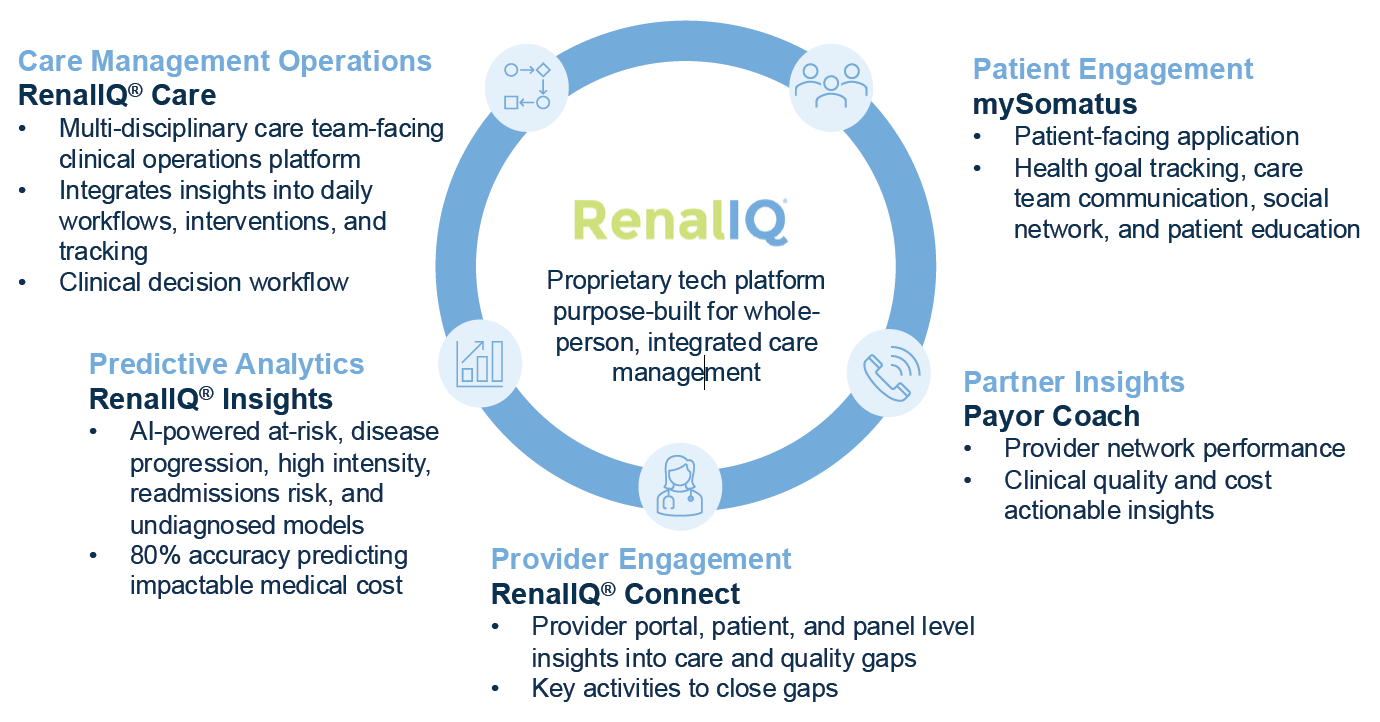

RenalIQ
Proprietary tech platform purpose-built for wholeperson, integrated care management
Care Management Operations
RenalIQ® Care
- Multi-disciplinary care team-facing clinical operations platform
- Integrates insights into daily workflows, interventions, and tracking
- Clinical decision workflow
Predictive Analytics
RenalIQ® Insights
- AI-powered at-risk, disease progression, high intensity, readmissions risk, and undiagnosed models
- 80% accuracy predicting impactable medical cost
Provider Engagement
RenalIQ® Connect
- Provider portal, patient, and panel level insights into care and quality gaps
- Key activities to close gaps
Patient Engagement
mySomatus
- Patient-facing application
- Health goal tracking, care team communication, social network, and patient education
Partner Insights
Payor Coach
- Provider network performance
- Clinical quality and cost actionable insights
This ecosystem leverages a rich trove of clinically validated workflows, operating at scale for more than 500,000 patients in 2025 living with kidney disease, congestive heart failure, or other chronic conditions.
At the foundation of each solution lies robust data governance, safety and clinical quality controls, privacy protection, and infrastructure – ensuring that new technology solutions operate safely, responsibly, securely, and effectively across every level of care.
PRIMARY GUIDING PRINCIPLES
Guiding Principle 1: AI to Augment, Not Automate
We believe that AI should augment human intelligence, not replace it. Our technology ensures that clinicians remain at the center of every care decision – no autonomous decision-making and no shortcuts which could adversely impact quality of care. Each care interaction is guided by deep data insights to support clinical judgment.
With an average of 1.1 million data points per patient, Somatus models provide unparalleled visibility into each patient’s journey – helping care teams identify key trends, risk factors and opportunities for timely interventions that can meaningfully improve patient outcomes. These data include: a) clinical data such as labs, patient medical records, admit-discharge-transfer (ADT) data; b) Social Drivers of Health (SDOH) data such as food security, language, and education level; c) utilization data such as admissions, dialysis, and ED utilization; and d) Somatus care team generated information such as patient assessments, care notes, transcribed phone conversations, and text messages.

Dr. Bassem Mikhael
Chief Medical Officer, Somatus
Guiding Principle 2: Close Collaboration Between AI Engineers and Clinicians
We know that deploying AI in a healthcare care management setting is complex. That is why we believe so strongly in the importance of building AI systems that solve real clinical challenges rather than merely applying the latest technological advancements for their own sake.
At Somatus, our AI engineers constantly collaborate with our clinical staff at all stages of AI development to ensure patient safety considerations are a foundational and integral part of the development and testing process.
In addition, this collaboration ensures that efficacy and efficiency are appropriately measured and monitored, builds trust in the AI system output, and improves the performance of the AI system.
Guiding Principle 3: Deploying AI Responsibly
Trust and transparency guide every stage of Somatus’ AI development. We’ve built a scalable risk evaluation framework with clearly defined criteria that drive governance at the individual model level, including:
- Ensuring the AI models we deploy lead to improved health outcomes without adverse impact
- Clinical validation and real-world impact assessments
- Ongoing assessment for bias, fairness, and equity
- Continuous evaluation against ethical and performance standards
- Monitoring and ensuring compliance with regulatory requirements
Our approach aligns with responsible use of AI principles issued by several healthcare coalitions and collaboratives, including those outlined by the Joint Commission and the Coalition for Health AI (CHAI) – reinforcing our commitment to responsible, human-centered innovation.
Through partnerships with health plans and provider organizations, we ensure that every AI deployment is rooted in empathy, connectedness, and transparency.
CASE STUDIES
Below are two case studies that speak to the opportunity that AI delivers to Somatus daily, as we partner with our valued health plan and provider partners to deliver more healthy days at homeTM.
Case Study 1: Augmenting Clinician Efficacy and Efficiency with Generative AI - Solving the Growing, Healthcare Data Challenge
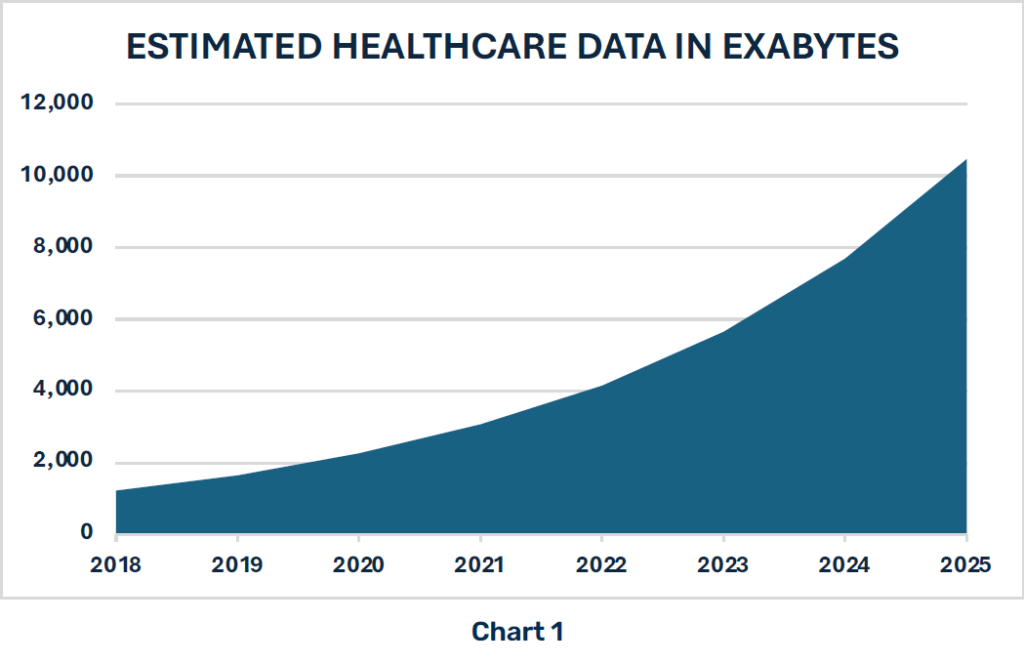
Opportunity: According to a 2020 study in the Journal of General Internal Medicine, clinicians spend more than 20% of their time preparing for patient visits. Patient data has exploded in growth in recent years and has useful information to help clinicians improve quality. Large Language Models can efficiently distill large amounts of patient data to empower clinicians to provide comprehensive and personalized patient care.
Solution: Somatus AI engineers built a patent-pending, proprietary SomatusAI Assistant that can retrieve, synthesize, and summarize relevant data from a patient’s medical record given the context of a clinical task or workflow. The Assistant combines Generative AI with a streamlined user interface, an information retrieval system, a clinical concept extraction engine for clinical notes and transcription data, a recommendation engine, and a user feedback interface. The system is built with transparency and trust at top of mind, so all output generated by the SomatusAI Assistant is displayed to clinicians with in-line citations linking to data points from the patient’s medical record.
Result: Somatus care teams have reduced chart review times by more than 90%, leading to higher patient satisfaction and higher care team engagement and satisfaction.
Case Study 2: Improving Rate of Optimal Starts
Opportunity: Unplanned dialysis starts can lead to suboptimal health outcomes such as increased mortality, higher risk for frequent and prolonged hospitalizations, and lower quality of life. A strong predictor for risk of dialysis starts is the rate of decline of a patient’s estimated glomerular filtration rate (eGFR), a measurement that estimates how well the kidneys are functioning. Unfortunately, reliable eGFR lab test results are not always available for all patients.
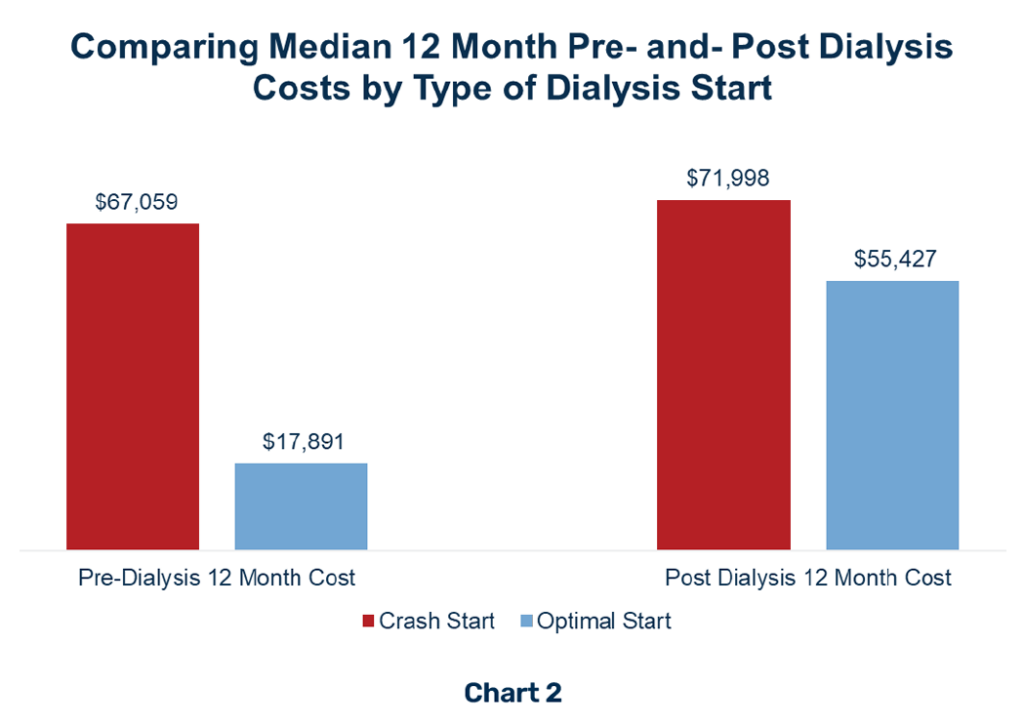
Comparing Median 12 Month Pre- and- Post Dialysis Costs by Type of Dialysis Start
Solution: To solve this problem, Somatus AI engineers trained a proprietary model to impute eGFR values for patients with outdated or missing eGFR lab data. The predictions produced by this model exhibit a strong correlation with historically observed eGFR lab values from a data set that was not used to train the AI (i.e., “held-out validation data”). The output of the eGFR prediction model is subsequently fed into a clinically validated ensemble model that is used to classify risk of disease progression to kidney failure.
Result: The eGFR imputation model and the disease progression risk provided Somatus clinicians with a more holistic awareness of disease progression risk for all patients. The result was a 19% relatively higher rate of optimal starts in our assessed compared with our unassessed population.
Looking Ahead
Responsible AI is not a milestone – it’s a journey. As we continue to innovate, our focus remains clear: To develop technology that deepens human connection, enhances care quality and strengthens trust between patients, providers, and health plan partners. The future of healthcare will be defined not just by how intelligent our systems become, but by how responsibly we use that intelligence to serve people better.
Somatus will continue to learn and adapt to ensure we are bringing the best technologies to empower our valued health plan partners, provider partners, and patients, all to help as many people as possible enjoy more healthy days at homeTM.
References:
- Toscano, F et al., How Physicians Spend Their Work Time: an Ecological Momentary Assessment, J Gen Intern Med. 2020 Aug 17;35(11):3166–3172.
- Chart 2: Wong, LP et al., Dialysis Costs for a Health System Participating in Value-Based Care, Am J Manag Care, 2023 Aug 1;29(8):235-241.
- Chart 1: “Data Age 2025: The Digitization of the World; From Edge to Core”, November 2018 https://www.seagate.com/files/wwwcontent/our-story/trends/files/idc-seagate-dataage-whitepaper.pdf